Archiving Digital Images
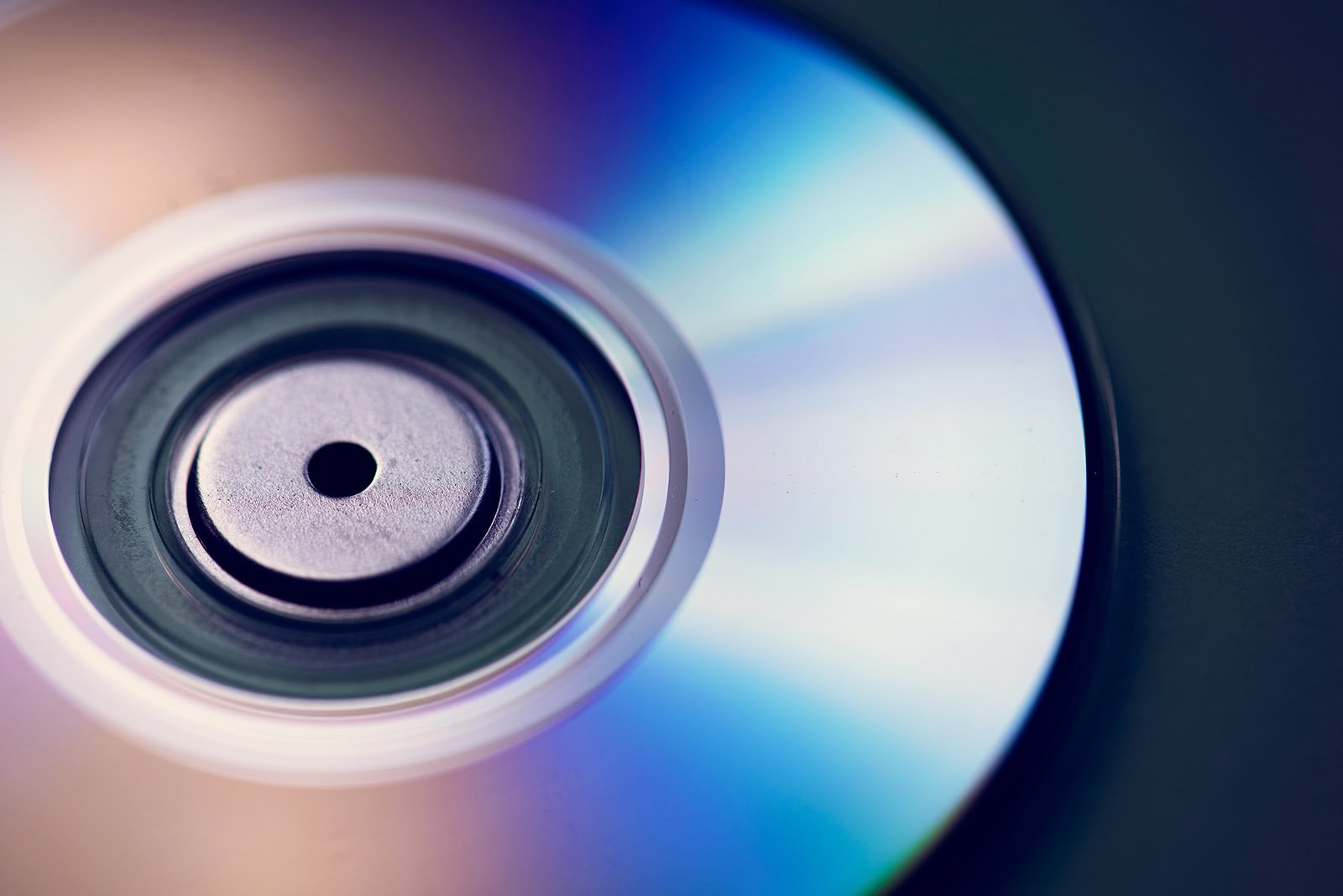
In today’s digital world, many people are archiving digital images on hard drives, CDs, and other electronic media. Unfortunately, this is not the wisest strategy to pursue! Most people don’t know that CD and DVD media can degrade over time and are sensitive to things like exposure to UV light, minor scratches, and obsolescence.
Hard drives can crash without warning. Some photographers use photo or cloud data storage companies, and while these are usually great options, what happens if one of these operations goes out of business and takes your images with them?
One solution is to get a hard copy print produced that can be scanned and reproduced, long after current storage technologies have gone the way of the 8-track tape. But, know that many home inkjet and dye-sublimation printers might not possess adequate archival properties. Some homemade prints start to deteriorate in as little as six months and are no good for archiving your images!
You also need to consider the costs of making your prints. Not counting the initial cost of a printer, but factoring only the cost of ink and paper, even standard 4″x6″ prints made on most home inkjet printers can cost $ .50 ea or more, plus your time. With economical professional printing and proper handling, your photographs will last for decades and help secure your personal and professional photo history.
Even with all the advances in this high-tech world, the best method for archiving your images is to make a print on high-quality paper Prints like those made on our Kodak Professional Luster photo-grade paper have been vigorously tested by the specialists at Wilhelm Imaging Research and produced impressive ratings in accelerated aging tests for at least 50 years, depending on display and storage conditions.
Written by Fran Smith
For more information on arching your images, please see our article How to Backup Digital Photos